The Economics of Some Rural and Mining Regions: Developments, Distortions, and Sustainable Rehabilitation
A concise overview of the research focus
My focus on regional history commenced at the start of my academic career in 1986, following four years in Further Education and Training. My mentors—the late Dr P.H.R. Snyman (from the Regional Section of the Human Sciences Research Council of South Africa, HSRC), Prof P.F. van der Schyff, and Prof P.J.J. Prinsloo—proposed a model for conducting regional history derived from the work of scholars such as H.R. Feinberg and V.H.T. Skipp , and indirectly inspired by the landscape thoughts of WG Hoskins.
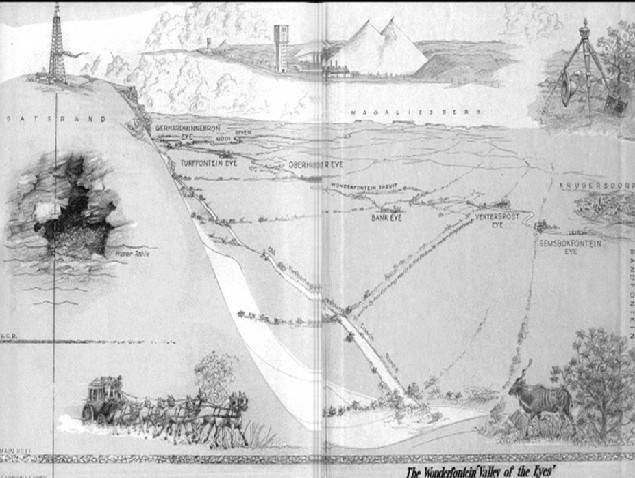
Image on the Eyes of Wonderfontein with acknowledgement:
J Oxley, Down where no lion walked: The story of Western Deep Levels (1989).
Read summary in full
My focus on regional history commenced at the start of my academic career in 1986, following four years in Further Education and Training. My mentors—the late Dr P.H.R. Snyman (from the Regional Section of the Human Sciences Research Council of South Africa, HSRC), Prof P.F. van der Schyff, and Prof P.J.J. Prinsloo—proposed a model for conducting regional history derived from the work of scholars such as H.R. Feinberg and V.H.T. Skipp.
This approach was adopted in my MA research, and a more focused thematic direction followed in my PhD, particularly in relation to the selected space—the former Far West Rand region. In essence, the economic drivers shaping developments in this region were predominantly rooted in gold mining activities from the early 1930s. Prior to this, agricultural initiatives—especially those associated with Dutch influence in the area—were meticulously recorded and analysed.
These developments unfolded within historical timeframes linked to the South African War, the fragile political relations between British and Dutch-descended South Africans during the First World War and its aftermath, and the ways in which gold mining operations overcame significant human and environmental challenges. This enabled international mining companies to generate considerable wealth, while also contributing to the upliftment of communities in the Far West Rand for several decades.
However, economic exploitation also led to environmental degradation and ongoing concerns, particularly relating today to economic decline and increasing poverty, alongside irreversible environmental damage. Research in this section primarily emphasises the economic history and impact of parts of the Far West Rand. From this body of work, the economic and environmental consequences of gold mining have drawn significant attention from local communities and concerned environmental NGOs.
Research on the economic development of the Far West Rand region remains far from exhausted, despite occasional claims to the contrary by less-informed commentators. The section on ecohealth and the wellbeing of mining communities—available elsewhere on this site—serves as a relevant extension of this work. In that section, for example, economic upliftment efforts relating to the service delivery history of Bekkersdal are explored as part of a more recent research focus.
The material presented here, focusing on economic and environmental impacts, complements three related topics connected to the economic development of the Far West Rand. It also contributes to broader discussions that have informed policy considerations at a national level, particularly in relation to economic–environmental analysis, critique, and the identification of best practices.
Published articles
(click to expand or collapse article sections )
Developments
Distortions
Best practice
Exploring other regions
Book contributions
Some book contributions as indicated in the Space and Place Studies section also have sections that apply to the economics of areas.
ISBN 9780981418971.
ISBN 0-620-18941-X.
http://hdl.handle.net/10394/2772.
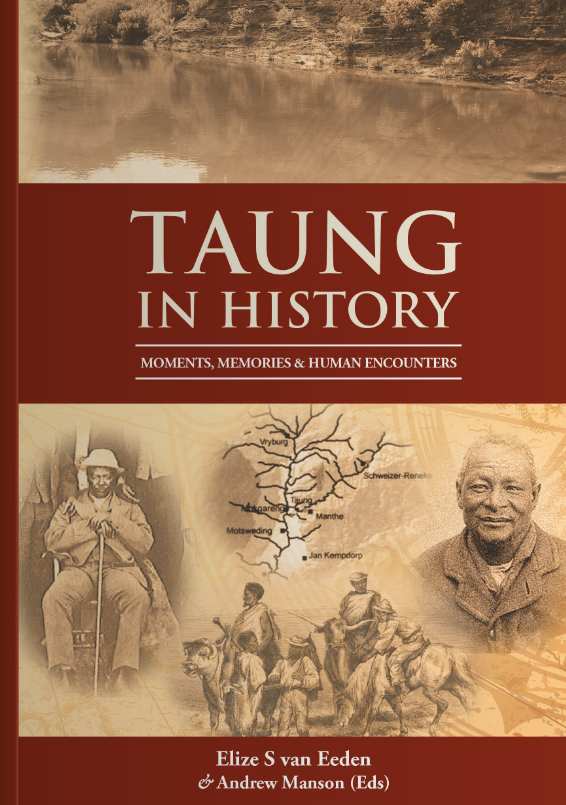
FEATURED PUBLICATION
TAUNG IN HISTORY
Moments, Memories & Human Encounters
A rich historical exploration of Taung, bringing together archival insight, local narratives, and human stories across time.
This eBook offers a deeper understanding of the people, places and moments that have shaped a remarkable region.
Community engagements
By providing scientific historical information to communities in regions, ensure that educators, museums, NGO’s and local governments are informed on an aspect of the region’s history, and these users of knowledge don’t necessarily reference their use in scientific disseminations. Therefore determining a value of regional research done, can be abnormally skew in academic terms.
Though an interest in the regional or local histories is mostly informative to add value to people’s knowledge of the space and place, an interest in the area, selected studies on for example the economic development of the Far West Rand, scientifically do interest other researchers from several disciplines. Scientifically disseminating the histories of regions gains more meaning once the focus on themes or phenomena is comparative of nature or is addressed from multidisciplinary angles. The section on for example ecohealth and wellbeing in regional history is a typical example.
Taung Regional History Studies
Some undergraduate researchers after a long day of research at Reivilo, Taung, Oct 2021 L to R: Sizwe Makaba; Njabulo Mthembu; Wynand Meiring; Elize van Eeden; Keaobaka Tsholo & Nadine Smit)
.
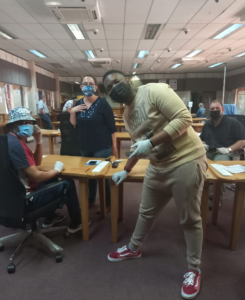
Researchers’ National Archive research under Covid 19 conditions, Sept 2021
.
Photo gallery
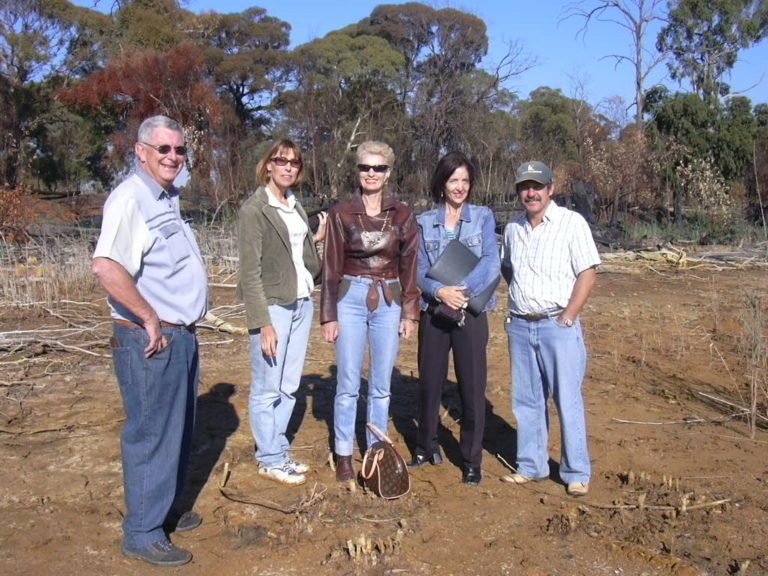
Invironmental-History-research-Wonderfonteinspruit-2007
Exploring water pollution as a health and wellbeing destructor of mining communities in the Far West Rand with municipal officials of Randfontein and Krugersdorp. The women from left to right: Elise Tempelhoff (Journalist, Beeld), Mariette Liefferink (FSE director and environmental activist), Elize van Eeden (Historian on the FWR)
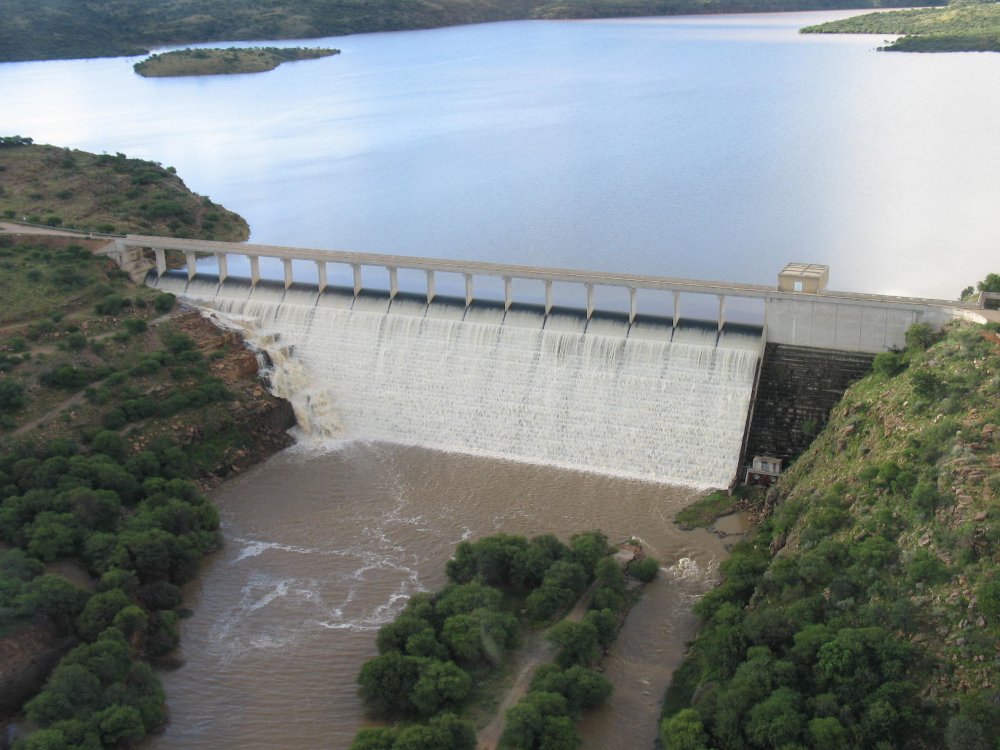
2-Taung Dam for tourism1000