Advancing Tourism, Heritage, and Sustainability in Mining Regions
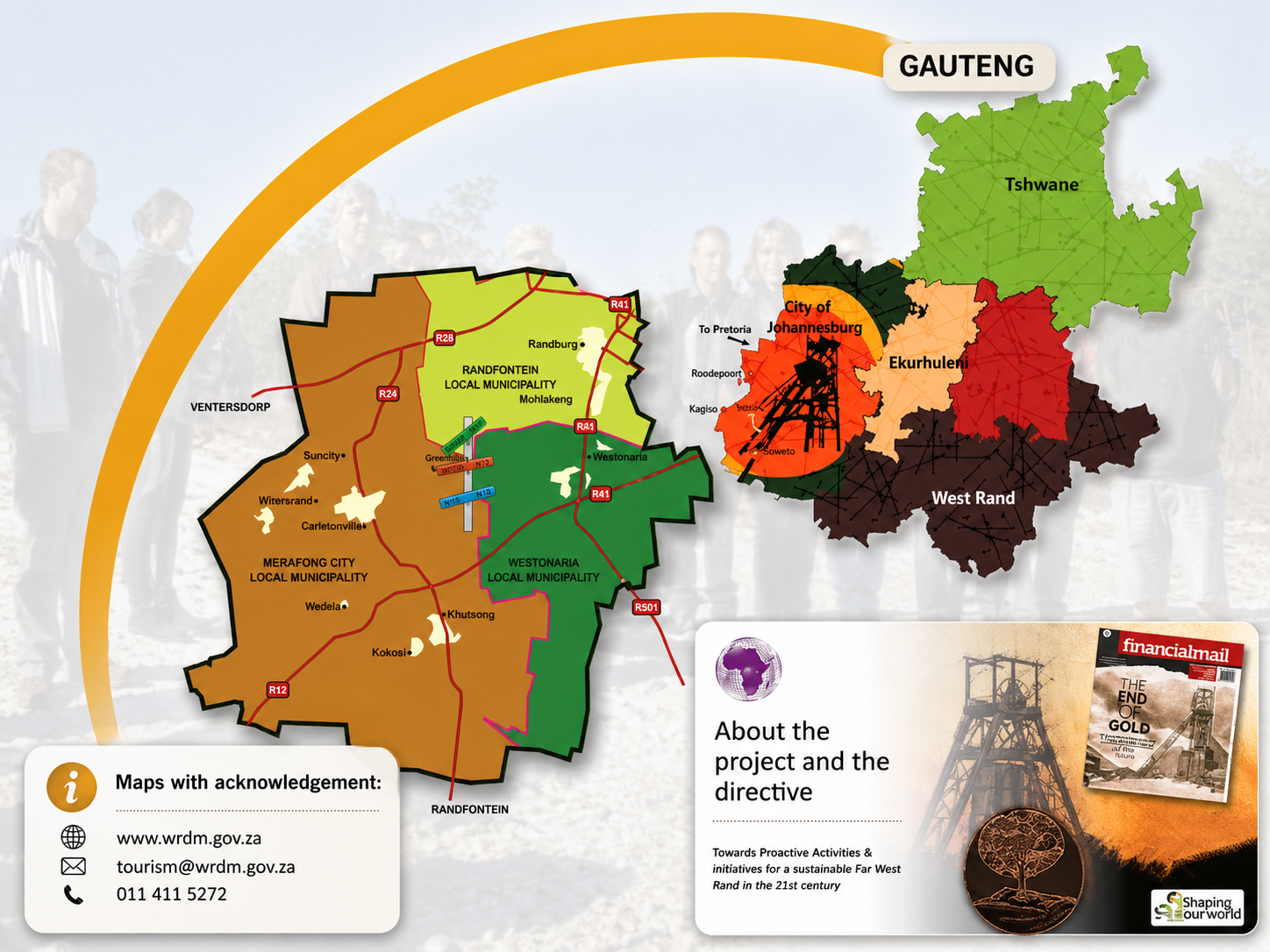
A concise overview of the research focus
Learning Through the Dust
Coréne Marx
NWU-Sibanye Stillwater Heritage and Tourism Sustainability Project
The gold mines of the Far West Rand built fortunes. They also built a system.
For more than a century, the region west of Johannesburg operated as a colonial extraction machine: wealth pulled from the earth, labour drawn from across southern Africa through the migrant system, and communities left to grow around an industry never designed to sustain them.
Now, as the mines wind down, the question is stark. What happens to the people who remain?
Do you have information, memories, or material related to the region?
Please get in touch by email.
More detailed summary
The gold mines of the Far West Rand built fortunes. They also built a system. For more than a century, the region west of Johannesburg operated as a colonial extraction machine: wealth pulled from the earth, labour drawn from across southern Africa through the migrant system, and communities left to grow around an industry never designed to sustain them. Now, as the mines wind down, the question is stark. What happens to the people who remain?
A multidisciplinary NWU team believes part of the answer lies in education, not the conventional kind, but a kind that confronts the region’s colonial past rather than looking away from it.
The NWU-Sibanye Stillwater Heritage and Tourism Sustainability Project is an R14.5 million research initiative (2023 to 2027) coordinated by Prof Elize S. van Eeden from the Faculty of Humanities. Its second phase, launched after a comprehensive 320-page first-phase report, is titled “Towards Proactive Activities and Initiatives for a Sustainable Far West Rand in the 21st Century.” The team spans several faculties and research units, drawing on historians, tourism researchers from the TREES unit, town and regional planners, economists, sociologists, museologists, and communication specialists.
At its heart is a vision for a mining heritage tourism hub on mine property, a place where the region’s history can be preserved, interpreted, and taught, not as nostalgia for a prosperous past, but as an honest reckoning with a complicated one.
“The Far West Rand’s history cannot be separated from colonialism,” says Prof van Eeden. “The extraction of gold shaped every aspect of life here, from labour migration to environmental degradation to the very layout of towns. If we want to build a sustainable future for these communities, we have to start by helping people understand history on their own terms.”
This is where the right to education becomes more than an abstract principle. In the Far West Rand, research indicates that roughly a third of adults have completed secondary schooling. The communities that formed around the mines were structured to serve them, not to educate broadly or build long-term capacity. The proposed hub aims to change that through heritage-based learning accessible to people regardless of age, formal qualifications, or background.
"Education does not begin and end in a lecture hall,” says Prof van Eeden. “When a community learns to interpret its own landscape, its own industrial and environmental history, that is education. When former mine workers can guide visitors through sites where they spent their working lives, telling stories never formally recorded, that is knowledge production. It belongs to them.”
The research team is working towards heritage tourism, environmental conservation, and socio-economic revitalisation as integrated objectives. Towns like Carletonville and Westonaria, where nearly every business depends on the mines, stand at the edge of a post-mining economy. Heritage, tourism, and education offer a way across.
Prof. van Eeden has published extensively on teaching South Africa’s colonial past through regional and local history. She sees this project as an opportunity to centre the voices that the colonial economy pushed to the margins.
"Colonial history did not end when the political system changed,” she says. “Its structures are still visible, right here, in who finished school and who did not, in who owns land and who lives on a mine lease. This project is one way of beginning to shift that.”
The Sibanye-Stillwater gold mining company funds the NWU-Sibanye-Stillwater Project, which runs until 2027.
EDITOR’S NOTE : The editorial team has prepared quotes attributed to Prof. van Eeden based on project documentation and her published research. They are subject to her review and approval before publication.
Published articles
Photo gallery
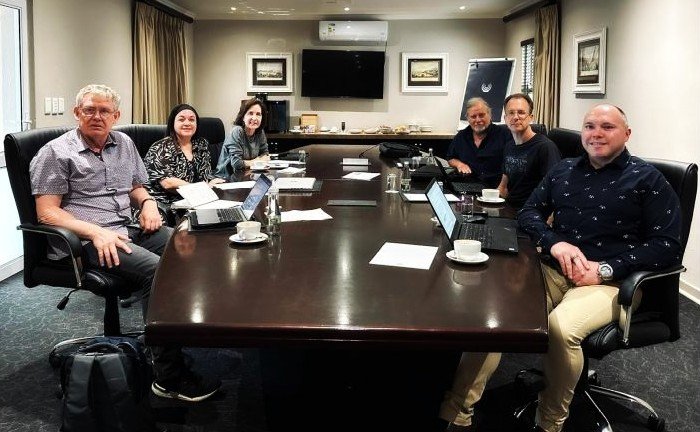
NWU-Sibanye FWR project (6_2)
NWU-Sibanye FWR project – Core team of the NWU-Sibanye Project, Aug 2024
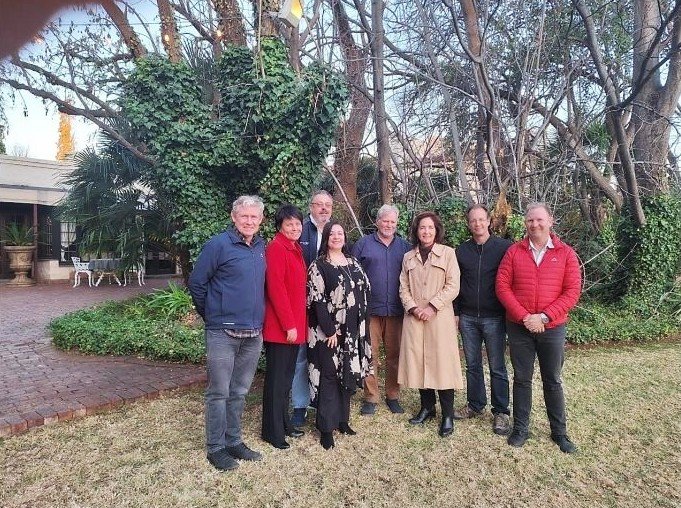
NWU-Sibanye FWR project (6_1)
NWU-Sibanye FWR project – Core team of the NWU-Sibanye Project, Aug 2024
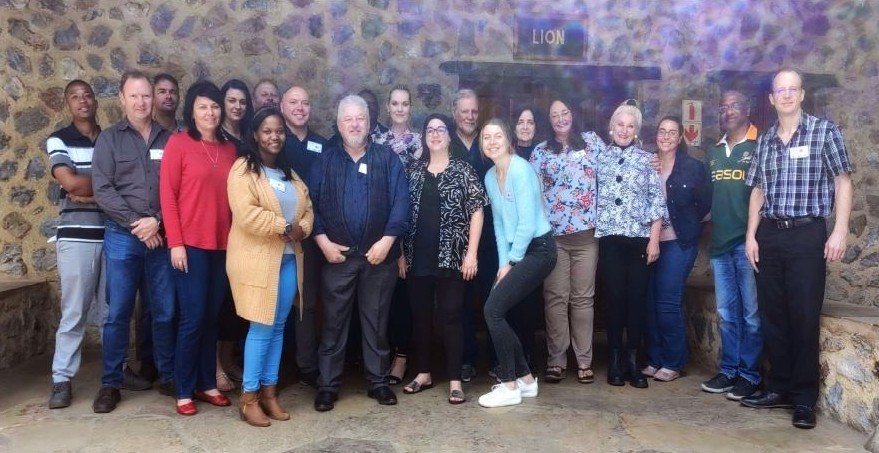
NWU-Sibanye FWR project (6_3)
NWU-Sibanye FWR project – Members of the Phase One research team and key stakeholders and community meet (2023)
NWU-Sibanye FWR project (6_4)
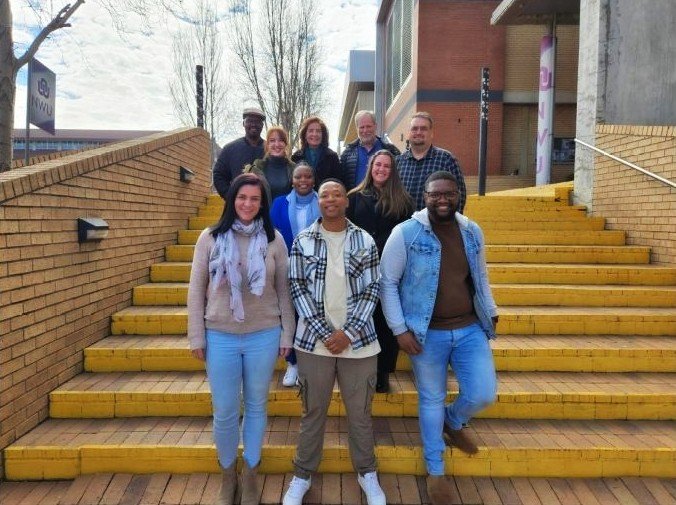
NWU-Sibanye FWR project – Some historians in the project meeting to workshop their pivotal role in the Phase Two of the FWR project (2025)
NWU-Sibanye FWR project (6_5)
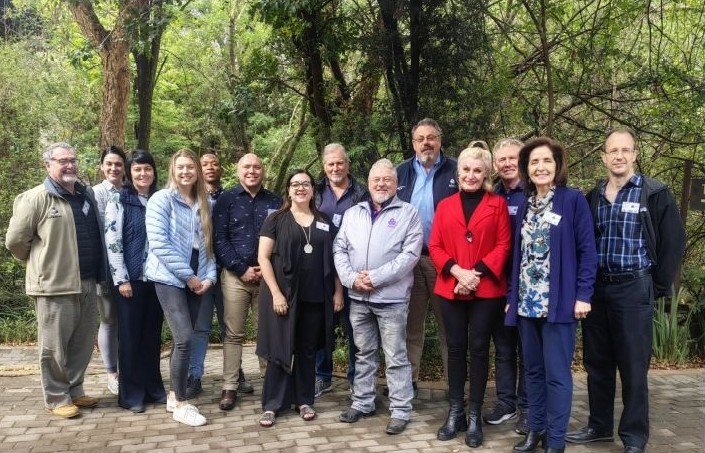
NWU-Sibanye FWR project
NWU-Sibanye FWR project (6_6)
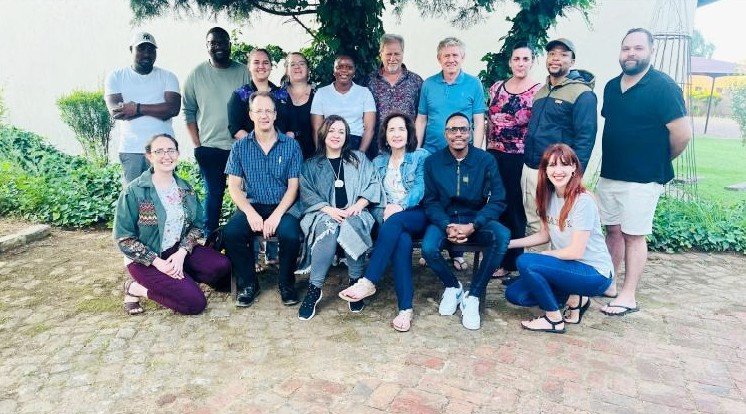
NWU-Sibanye FWR project