Community Ecohealth and Wellbeing: Researching Sustainability in Mining Regions
A concise overview of the research focus
The Far West Rand region, situated on the far western side of Gauteng Province, is one of South Africa’s most densely concentrated gold and uranium mining areas.
The region falls within the West Rand District Municipality (WRDM) and has a population of approximately 850,000 people across an area of 4,095 km². Around 22 mines, both active and decommissioned, have operated in the area.
The WRDM is also home to some of the world’s richest archaeological and anthropological sites, as well as one of the deepest mining shafts globally, reaching nearly 4 km into the earth. From a disciplinary perspective, the Far West Rand has attracted extensive research interest across multiple fields.

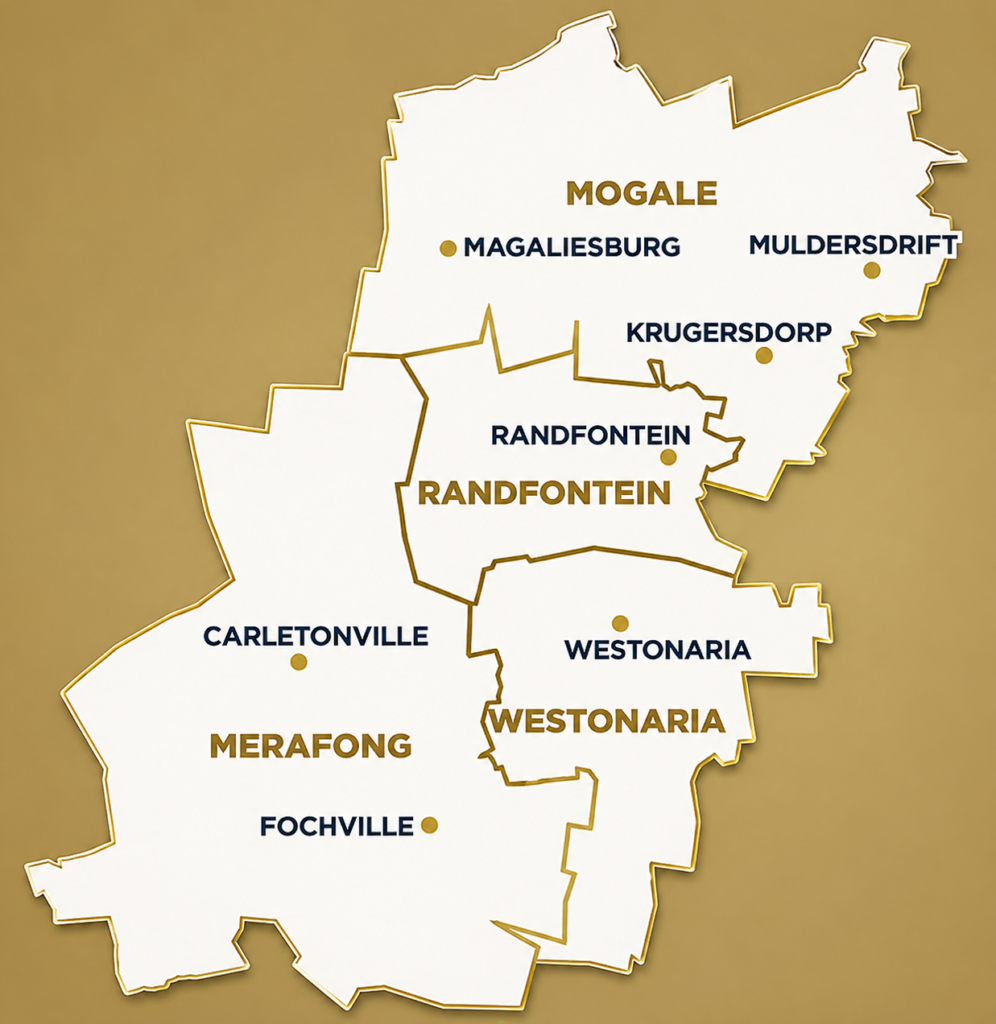
Far West Rand Region
Community, place and environmental wellbeing
More detailed summary
The Far West Rand Region
The Far West Rand region, located on the far western side of Gauteng Province, can be regarded as one of South Africa’s most densely mined gold and uranium regions.
The region currently falls under the West Rand District Municipality. Four district municipalities operate in the region, although Westonaria and Randfontein were preparing to merge by August 2016. The population is close to 850,000 across an area of approximately 4,095 km².
Approximately 22 mines, both active and decommissioned, have operated or continue to operate in the region. The West Rand District Municipality hosts some of the world’s richest archaeological and anthropological sites and is also home to one of the world’s deepest mining shafts, reaching close to 4 km into the earth.
Mining, Growth and Environmental Change
From a disciplinary perspective, the Far West Rand region has received extensive research attention from specialists across a variety of fields. Over approximately 80 years, gold mining activity contributed to significant population growth, local development and economic expansion across the municipal regions. Townships were founded as a direct result of this growth.
At the same time, gold exploration contributed to environmental disruption, particularly through the dewatering of the area for gold mine excavations. In the past, underground cementation formed part of the process used to ensure stable gold mining activity. History provides evidence of the unfortunate reality that these activities also created destabilising economic and environmental consequences.
Ecohealth and Wellbeing Research in Mining Communities
It is against this background that research on the ecohealth and wellbeing of mining communities has been undertaken in the Far West Rand District region.
The research methodology for regional history in this area departed from the Skipp model and initially covered only part of the region, namely the Merafong municipal area. Historically, this approach has been applied successfully, although some communities and townships could still be researched more broadly in terms of their development, impact and wider regional significance.
Current Research Focus: Westonaria and Bekkersdal
The current research focus is on the Westonaria municipal region, with emphasis on three combined but related aspects: the environment, health and wellbeing status of mining communities.
The Westonaria community of Bekkersdal has been selected as the research site for a project undertaken with the financial support of the National Research Foundation (NRF).
The research covers two main angles:
- Research applying a regional history research approach.
- Research on the theme in the research area through an integrative multidisciplinary approach.
An Integrative Multidisciplinary Research Model
An emphasis on environment, health and wellbeing in the region requires insight from experts across all three fields. It was therefore necessary to develop a research model that could support collaboration across disciplines, while also contributing positively to research outcomes for the benefit of sustainable society.
This integrative multidisciplinary model aims to complement science in regional studies more broadly. The model includes:
- Disciplinary initiatives
- Interdisciplinary cooperation
- Transdisciplinary efforts involving communities
This approach ensures that the research is inclusive and conducted in conjunction with communities.
Future Research Expansion
Once the research on Westonaria, and particularly Bekkersdal, within the broader region has been completed, the model and the broader developed research methodology for regional history will be further explored in the mining areas of Randfontein and Mogale City.
It is envisioned that the integrative multidisciplinary model will eventually be utilised in other mining areas of South Africa. This will make comparative studies possible.
In previous years, occasional assistance has also been rendered in projects dealing with local risk and management in areas such as the Southern Cape and Delmas. These contributions included regional history perspectives and references to ecohealth matters.
Explore research focus
Published articles
Book contributions
Print book ISBN 9780627037931.
Ebook ISBN 9780627037948.
UK: Cambridge Scholars Publishing, May 2015, pp. 45–66.
ISBN 978-1-4312-0811-1N.
ResearchGate.
Photo gallery
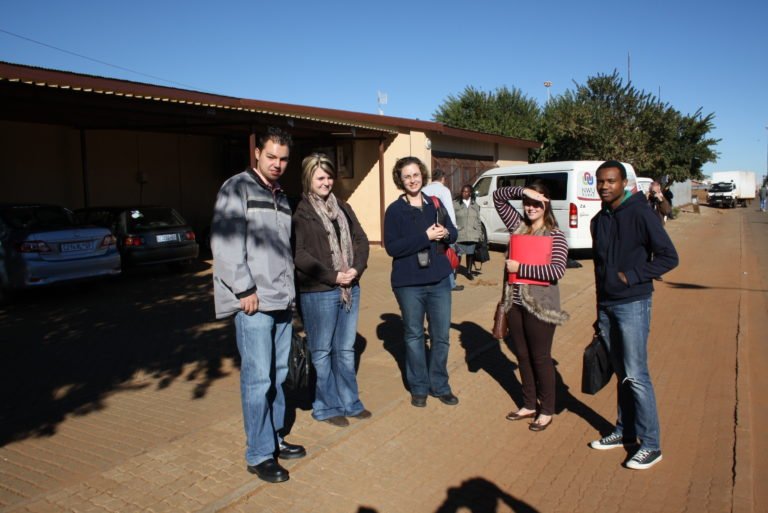
01_Team-members-during-Baseline-Questionnaire
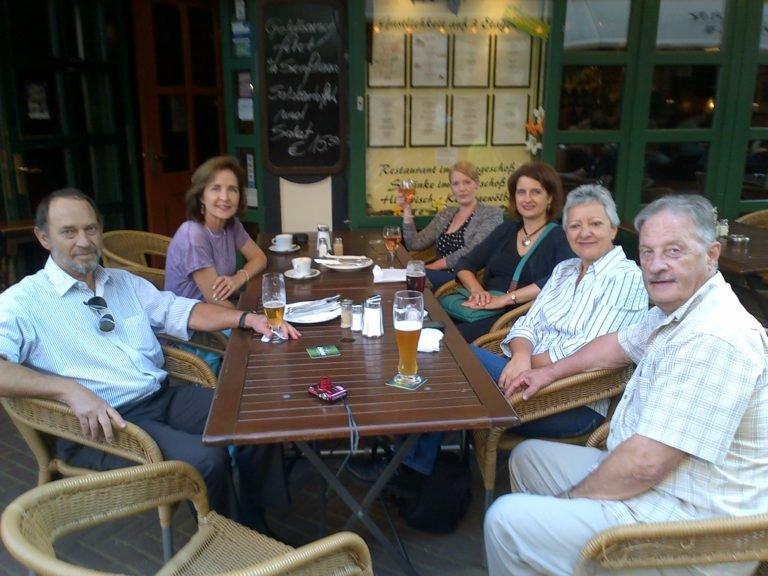
02_Teammembers-at-the-Hannover-Conference
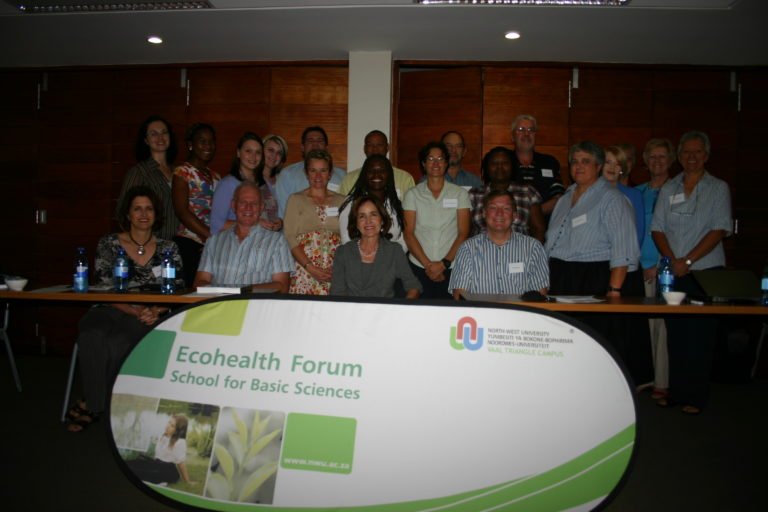
03_Some-teammembers-presenting-at-the-Forum
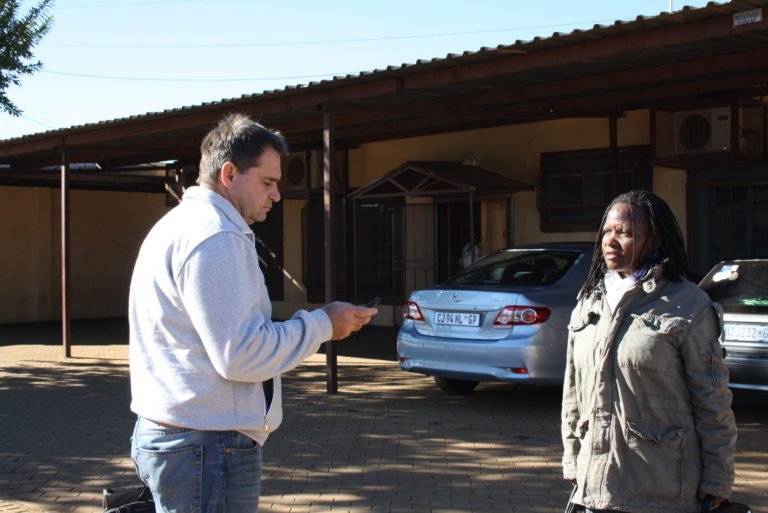
04_Project-team-members-in-Bekkersdal
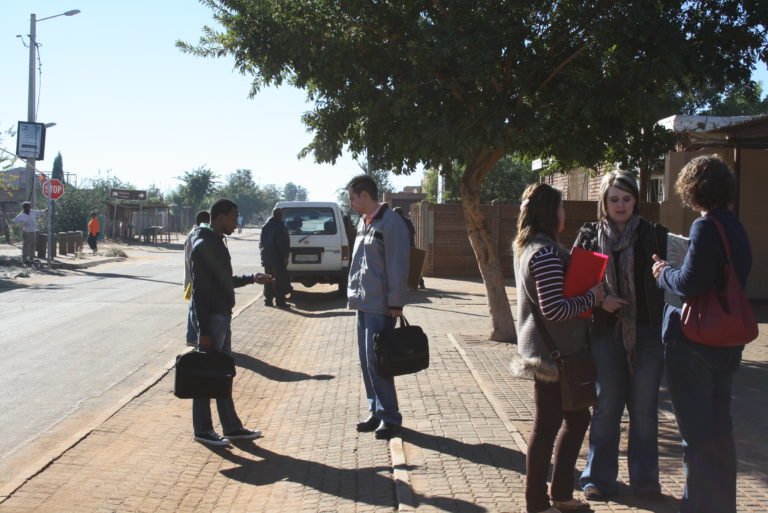
05_Project-team-members-in-Bekkersdal-2013
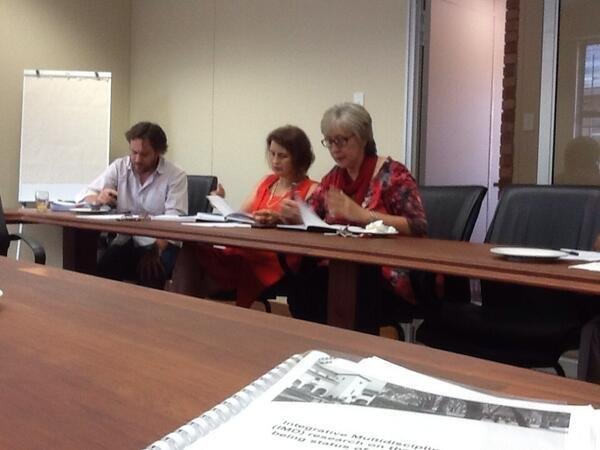
06_Group-members-working-with-Baseline-questionnaire
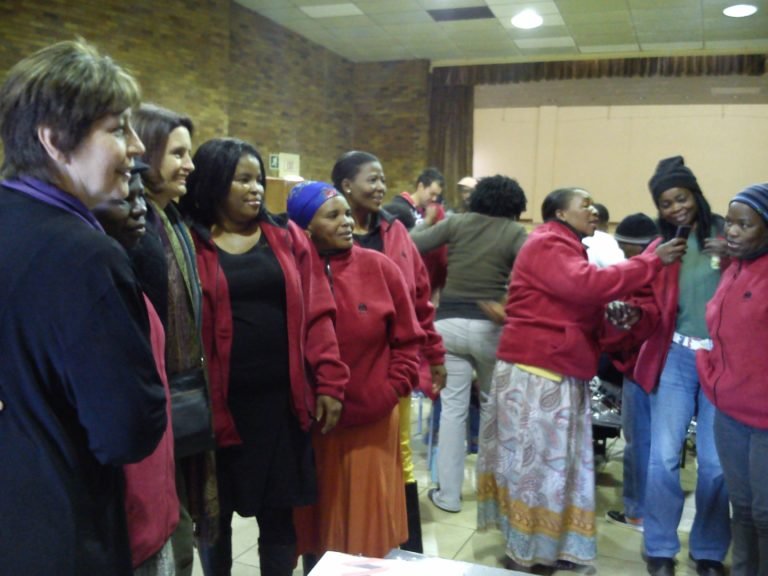
07_Bekkersdal-Fieldworkers-NWU-jackets
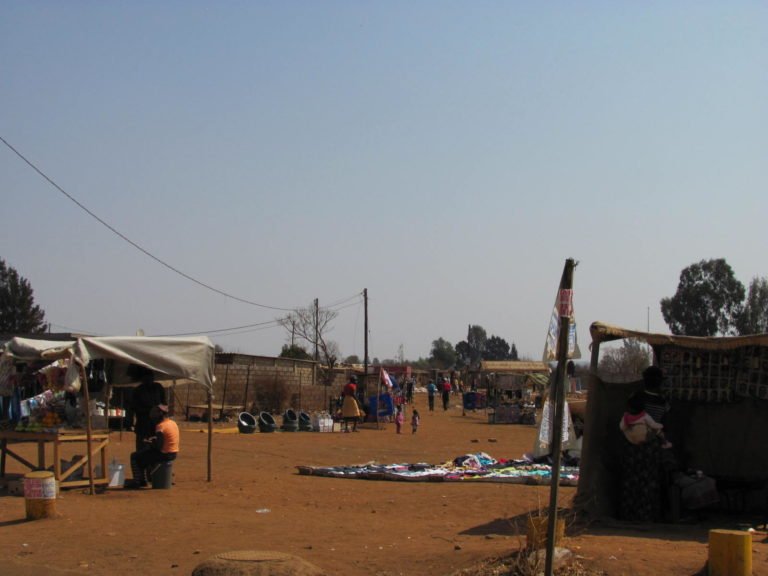
08_Bekkersdal-hawkers-selling-goods
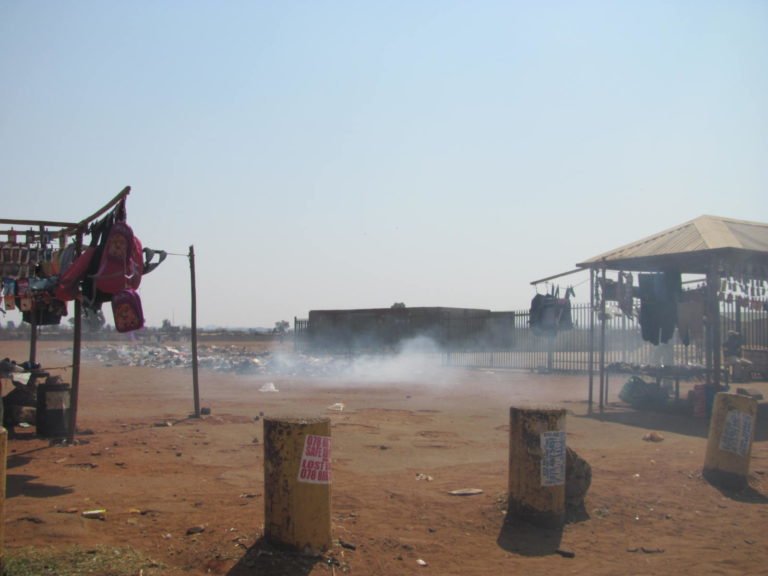
09_Hawking-area-in-Bekkersdal
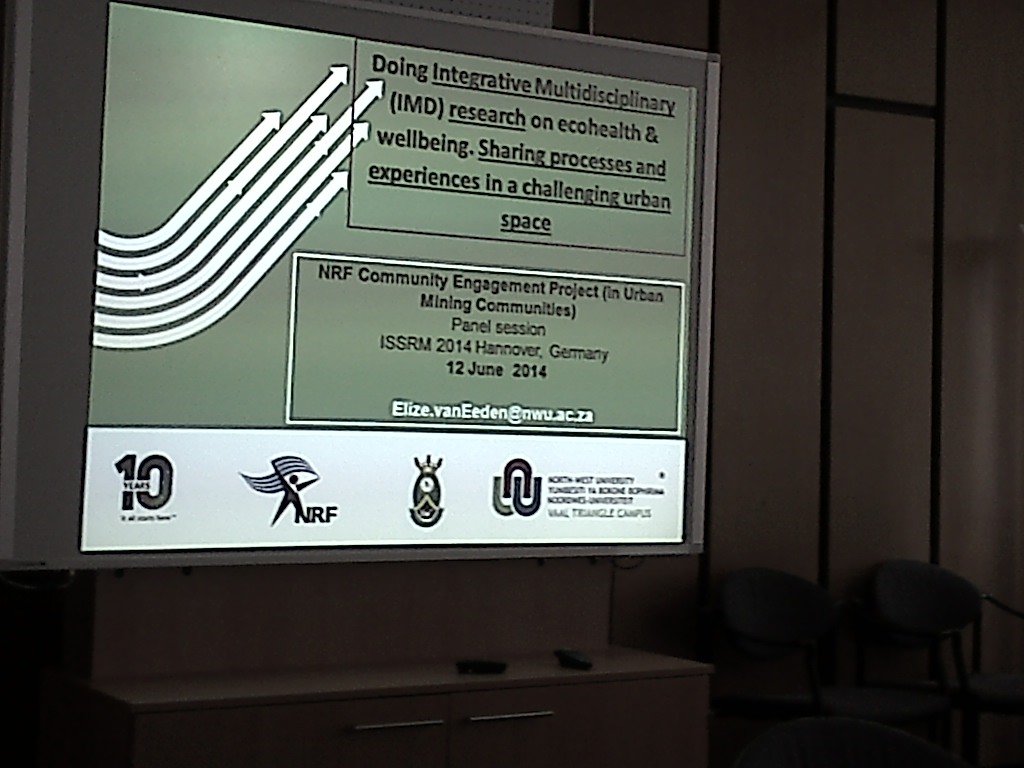
10_Conference-in-Hannover-Germany-2014
Ecohealth & Wellbeing Research Conference – Foundation and initiatives
To complement research in multidisciplinary environments on ecohealth and wellbeing topics, Elize van Eeden founded an annual forum for this purpose in 2010.
In 2016, the 7th annual forum was scheduled to take place on 17–18 November, and the platform was transformed into a conference.
This platform has provided an opportunity for Higher Education and Training research initiatives, especially those undertaken in multidisciplinary ways, to be shared and exposed to wider academic engagement.
Researchers recognised as outstanding in their fields have delivered keynote addresses at the conference. These have included, amongst others, Prof Chris Busby, Prof Anthony Turton, Prof Franks Winde, Prof Melvin Saayman, Prof Kobus van der Walt, and Dr Konanani Khorommbi.
Since 2012, the NWU initiative has extended to include coordinating committee representatives from the Central University of Technology (CUT), the University of South Africa (UNISA), and the Tshwane University of Technology (TUT).
Ecohealth and Wellbeing Research Webinar Fri, Nov 26, 2021
6th Ecohealth & Wellbeing Conference – Oct2015
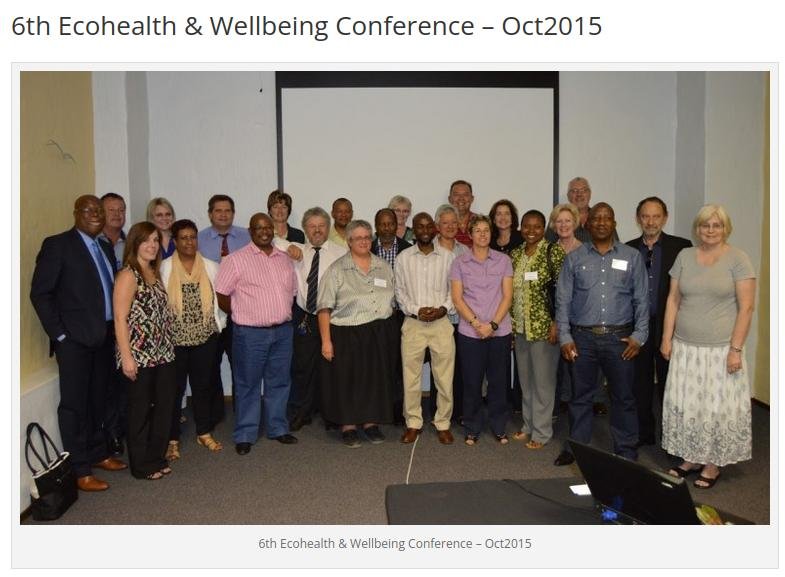
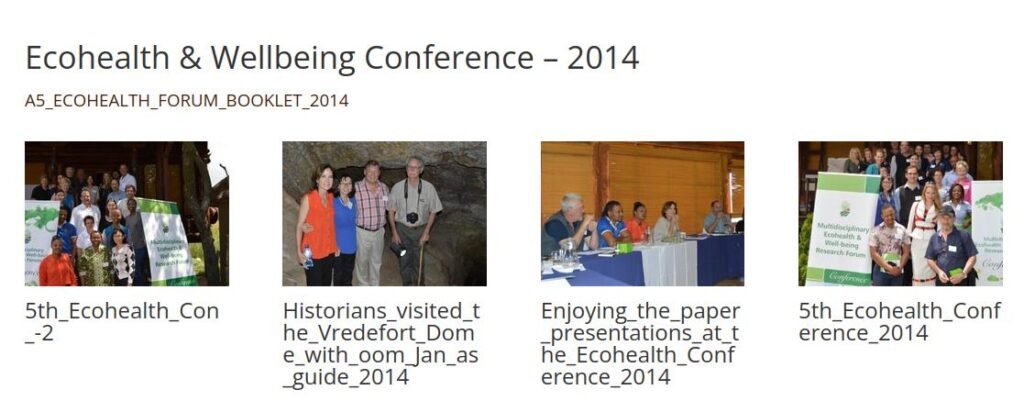
Ecohealth & Wellbeing Conference – 2014
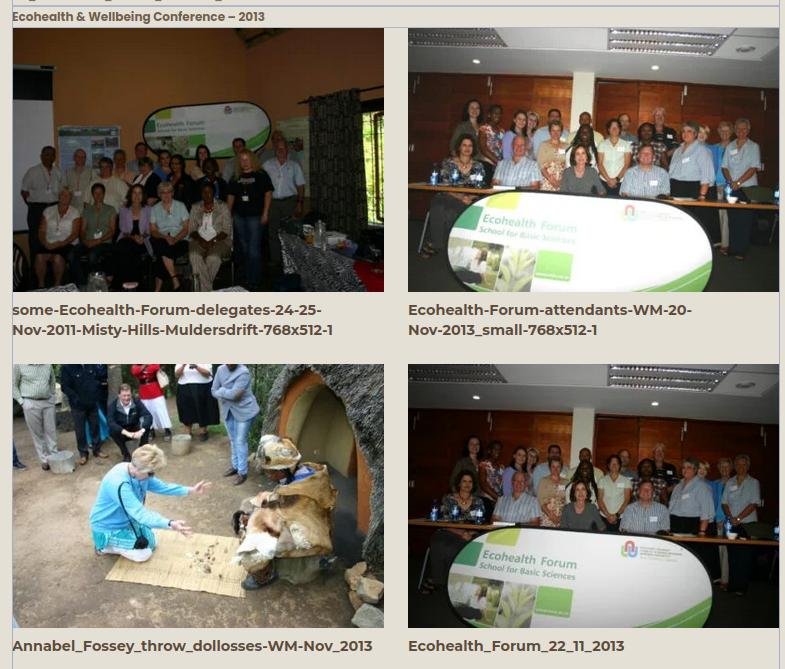
Ecohealth & Wellbeing Conference – 2013
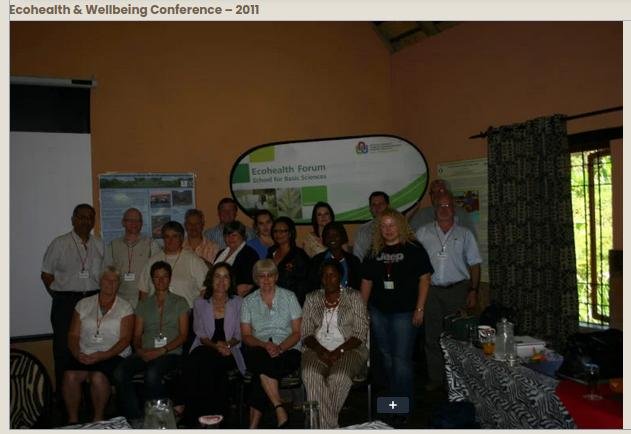
Ecohealth & Wellbeing Conference – 2011
Projects
NRF – Community Engagement on Ecohealth & Wellbeing in Mining communities
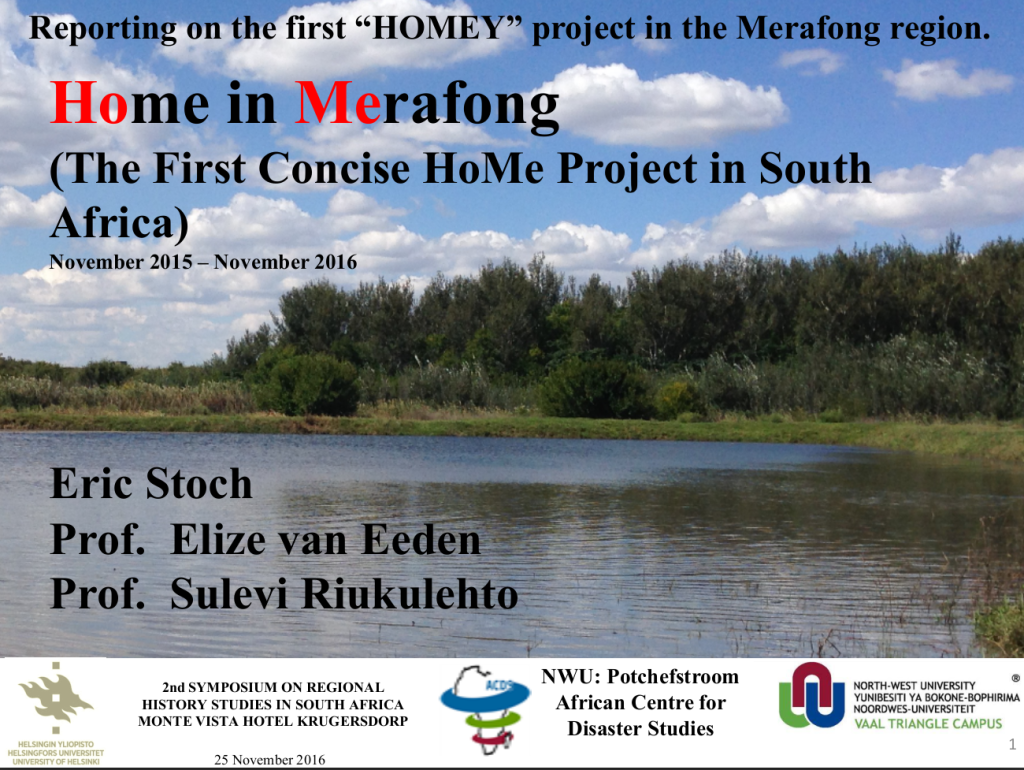
“Homeyness” – (HoMe) – a homliness project in the Merafong area
Phongolo-WRC-project
EvE and team on Chapter 8-Phongola ProjectFINAL6Oct (
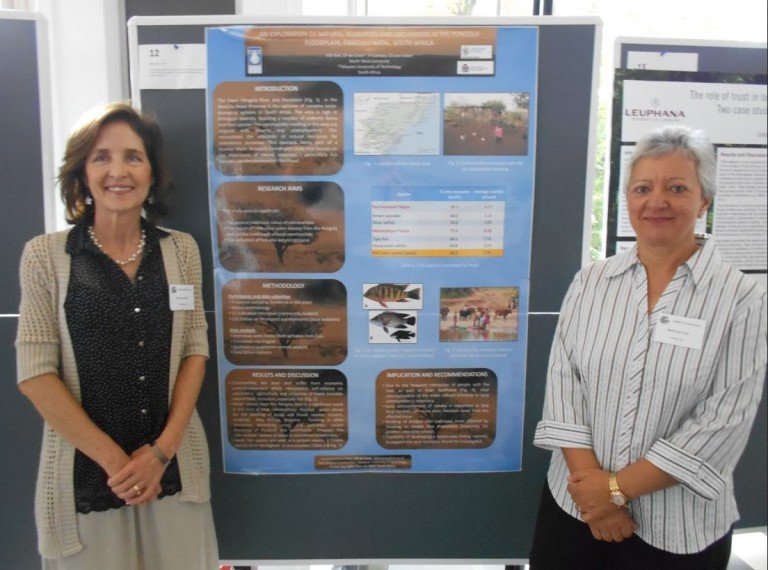
Phongola – Project-Ecohealth&Wellbeing-Poster Hannover Germany 2014
.
.
Community Engagement Project
.
Community engagements
The NRF project on the Ecohealth and Wellbeing of Mining communities lends itself to frequent community engagement initiatives. Since 2013 four formal initiatives had been organised.
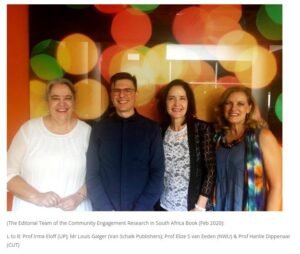
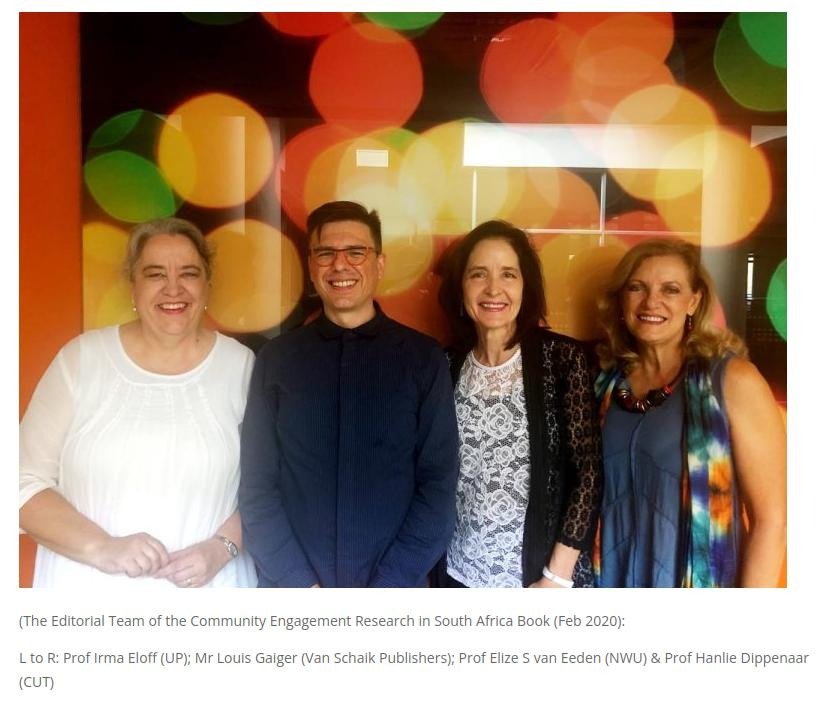
To compliment the “wellbeing” part of research in the Far West Rand region a contribution was made in the book publication on Community Engagement in South Africa…(See section on Book Publications), published by Van Schaik in Jan 2022.
Pages in this section :
> Bekkersdal as case study
Bekkersdal - case study
EvE-Presentation-IMD-Regional History-Bekkersdal-28 April Brazil-2
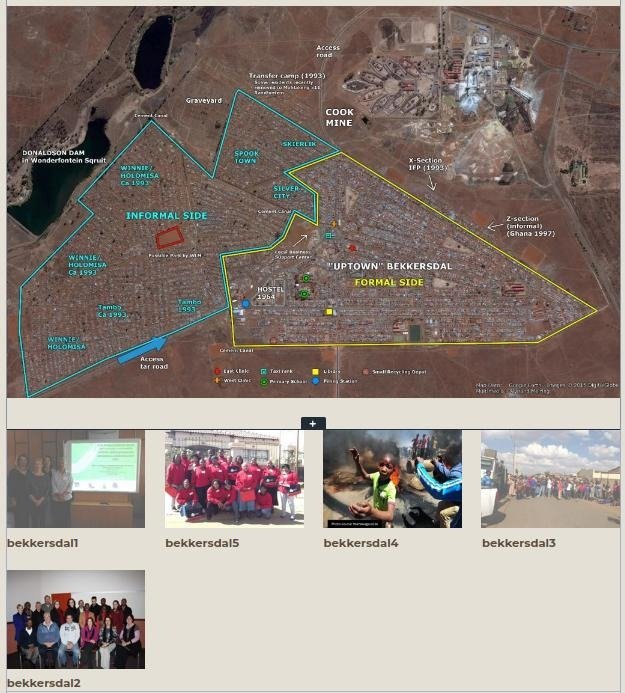
After 75 years of uncontrolled gold mining several research projects had been undertaken at higher education institutions to determine and record the consequences. In late 2012 the Northwest-University received funding from the National Research Foundation to explore the ecohealth and wellbeing status of mining communities. The space of focus was the town of Bekkersdal in western Gauteng and part of the Westonaria municipality situated in the broader Far West Rand Districts Municipal region. The mineral wealth in the area has been depleted and operations are winding down, leaving large-scale environmental degradation, a rising unemployment and serious questions about the health and wellbeing of local residents who regularly also complain about service delivery issues, that worsens their wellbeing status. With hopes to address some of these questions historian, Prof Elize van Eeden from the School of Basic Sciences on the Vaal Triangle Campus, and a team of a 22 academics, representing 11 different disciplines, the project took off in 2013.